The Quiet Light: Monks, Bees, and the Gift of Wax
Introduction
Before electricity, before oil lamps, even before reliable candles, the monasteries of Ireland relied on something extraordinary: bees. Not for honey—but for beeswax, which gave a clean, steady light that helped preserve knowledge, faith, and culture through the centuries.
The Story
Long before modern lighting, the world after sunset belonged to darkness.
In the monasteries of early Ireland and across Europe, monks worked, prayed, and preserved knowledge by candlelight. But early candles made from animal fat—tallow—burned poorly, smoked heavily, and produced a harsh, unpleasant smell.
The solution came from the natural world. Monasteries began keeping bees—not primarily for honey, but for beeswax. The native Irish honey bee, Apis mellifera mellifera, produced wax that could be made into candles that burned cleanly and steadily.
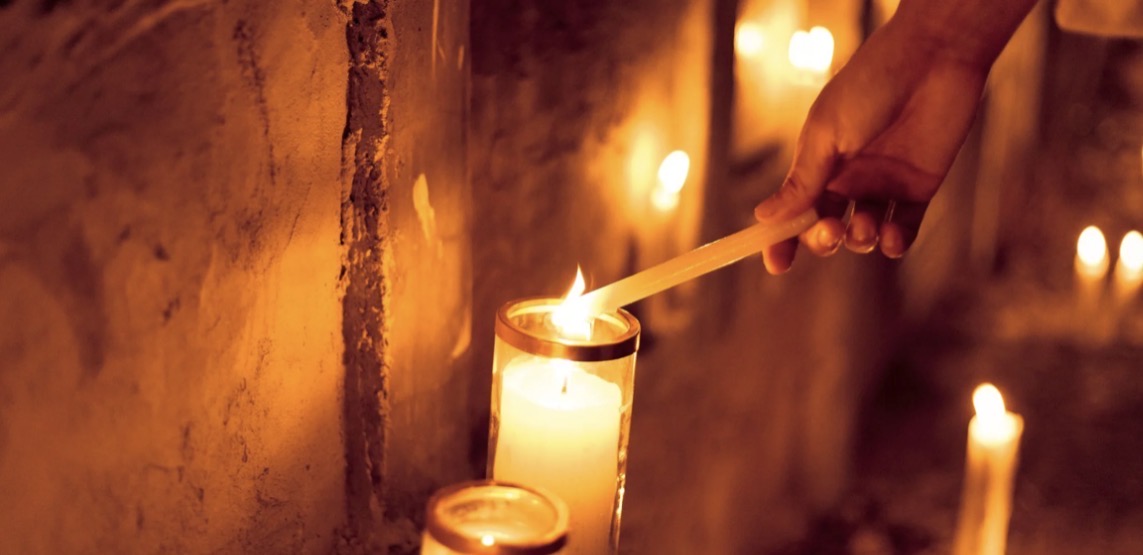
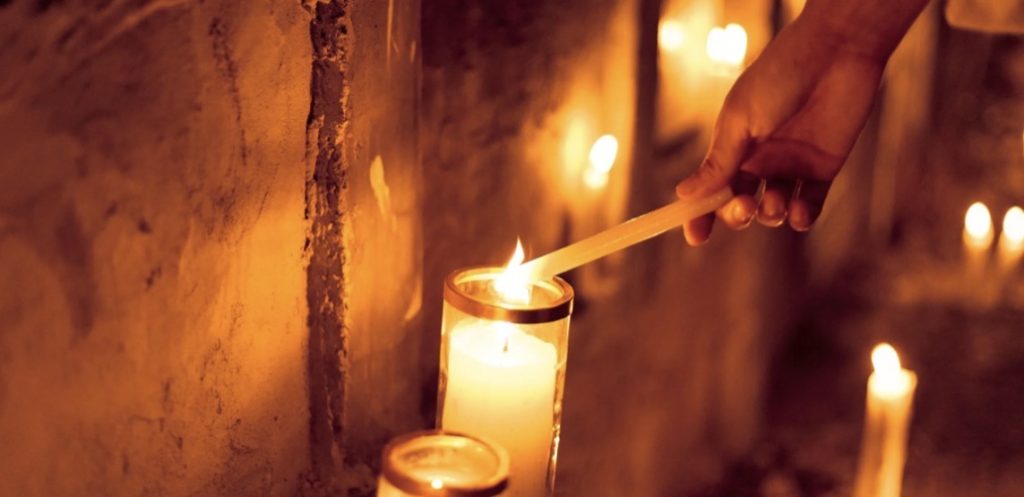
Beeswax candles transformed monastic life. They produced a soft, golden light, free from smoke and foul odour. In their glow, monks copied manuscripts, preserved sacred texts, and carried out their daily rituals of prayer and reflection.
While honey was valued, wax was essential. Without bees, there would have been no clean light. And without clean light, much of what we know from that period may never have been written down.
Today, bees are often discussed in terms of honey or pollination. But their historical contribution runs deeper. They enabled light, knowledge, and continuity.
At the Inishturk Native Irish Honey Bee Sanctuary, the mission is to protect this lineage—the dark, resilient native Irish honey bee—and the vital role it continues to play in biodiversity and heritage.
Closing
By protecting the native Irish honey bee—Apis mellifera mellifera—we are not just safeguarding biodiversity, but preserving a living link to Ireland’s cultural and ecological heritage.