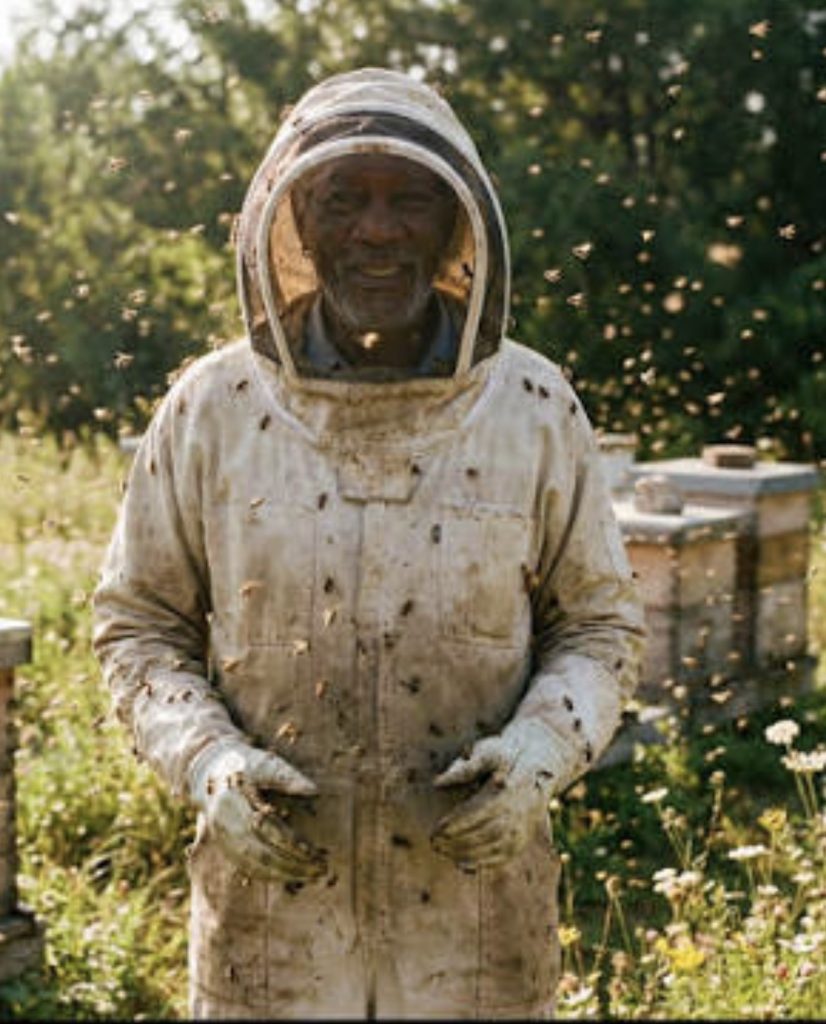
Famous Beekeepers: A 2,000-Year Legacy from Ancient Science to Modern Conservation
The Golden Thread: From Ancient Philosophy to Modern Conservation
The global movement toward environmental sustainability has found an unlikely set of champions: some of the world’s most recognised figures. From historic estates in Ireland to royal gardens and Hollywood ranches, beekeeping has emerged as a shared commitment among those who understand that the health of the honeybee reflects the health of our world.
Yet this is not a modern trend.
It is part of a lineage stretching back over 2,000 years — to the first person who attempted to understand the hive not as myth, but as science.
The Scientific Beginning: Aristotle
In the 4th century BC, Aristotle laid the foundations for the study of bees in his work History of Animals. He was the first to systematically document hive behaviour, recognising that bees operated within a structured society with defined roles.
While he famously misidentified the queen as a “king,” his work marked a turning point — establishing the honeybee as a subject worthy of serious observation and respect.
That early curiosity still underpins modern apiculture today.
Royal Stewardship: King Charles III and the Modern Monarchy
Beekeeping has long been associated with nobility, often referred to as the “hobby of kings.” Today, that tradition continues with a far deeper purpose.
King Charles III has spent decades maintaining hives at his estates, viewing bees as a critical indicator of environmental health. Under his stewardship, royal lands have evolved into pollinator-friendly ecosystems — blending heritage with ecological responsibility.
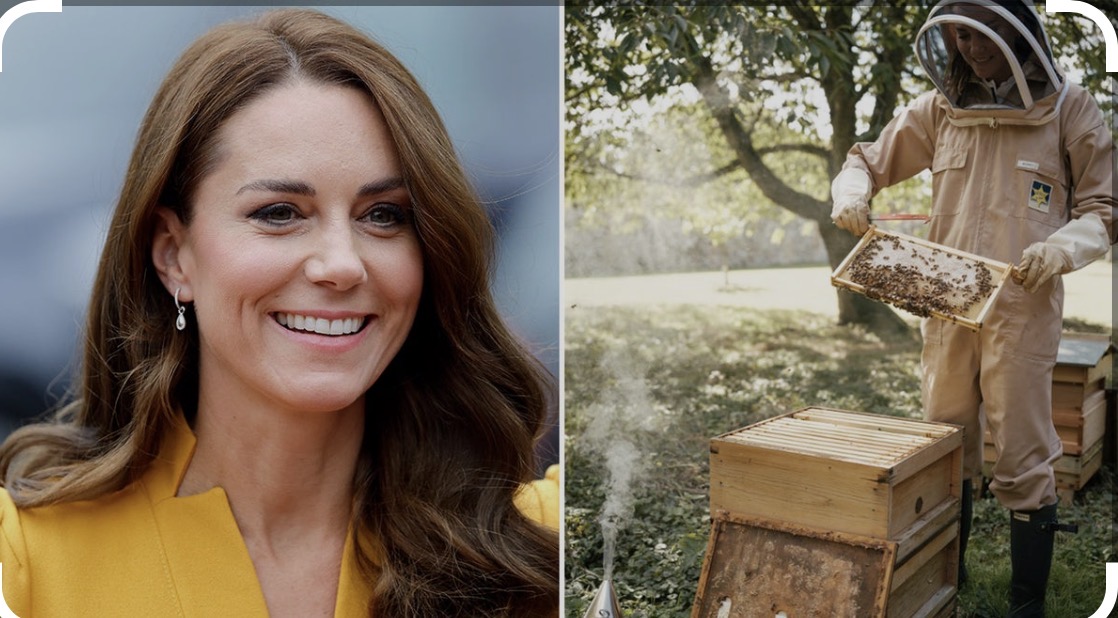
Similarly, Catherine, Princess of Wales has used beekeeping as a way to engage younger generations, bringing awareness of pollinators into schools and communities.
What was once symbolic is now practical: stewardship at scale.
Modern Influence: David Beckham and Cultural Shift
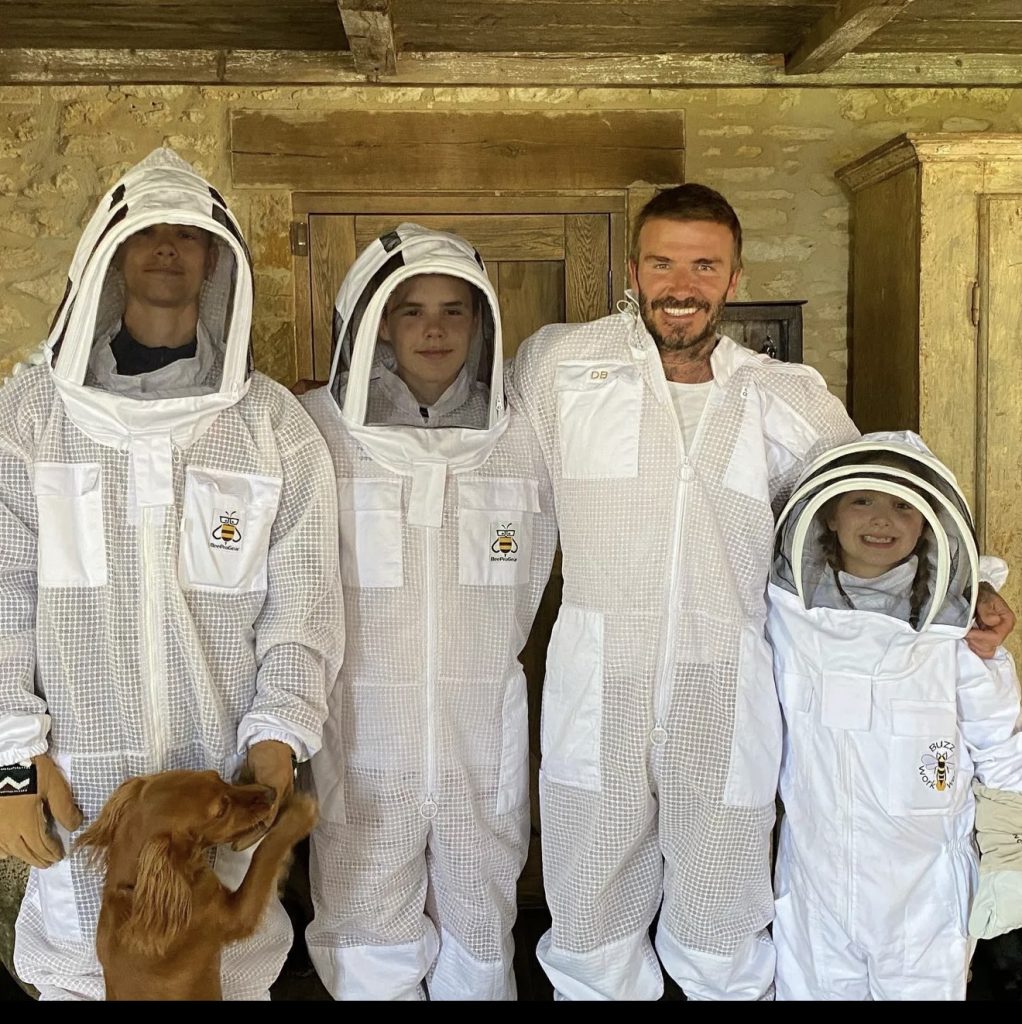
In recent years, few figures have done more to reshape the perception of beekeeping than David Beckham.
What began as a personal project during lockdown quickly became a widely shared journey into hive building and honey production. By opening a window into this world, Beckham helped reposition beekeeping from a niche rural pursuit into something aspirational, accessible, and relevant.
It is no longer just tradition — it is lifestyle, sustainability, and identity.
Irish Heritage and Diplomacy: Charles Haughey
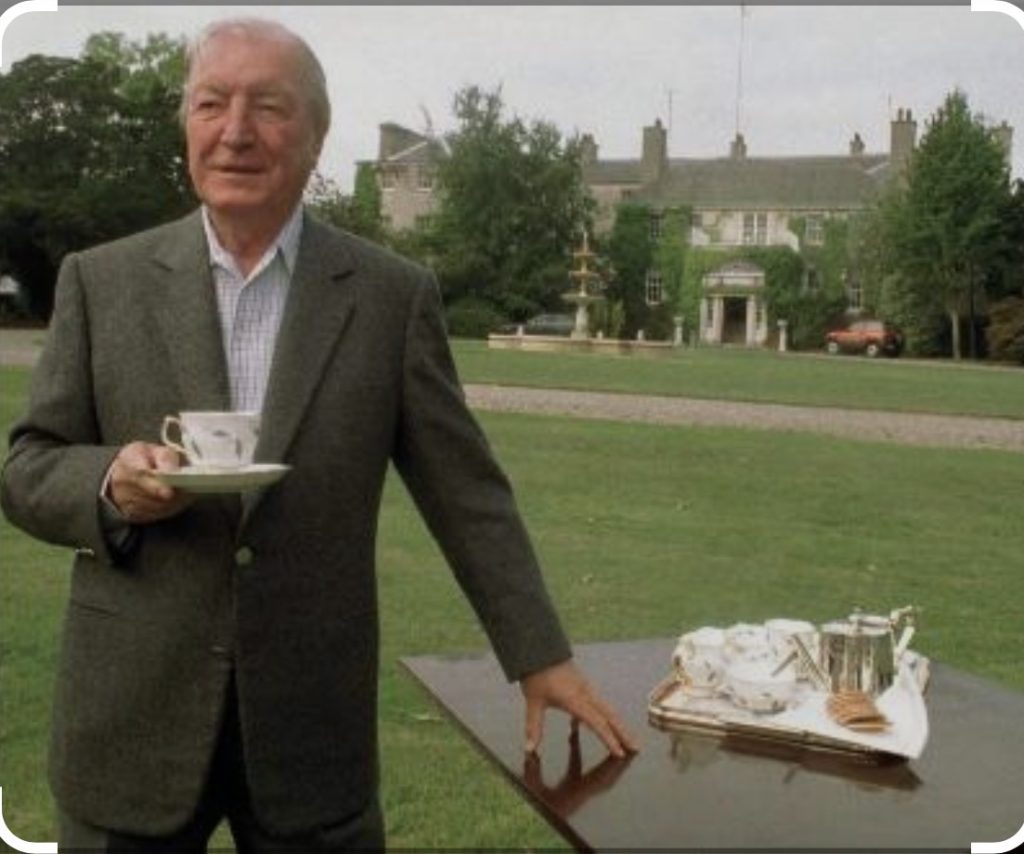
In Ireland, the connection between bees, land, and identity runs deep.
Charles Haughey, one of Ireland’s most prominent political figures, maintained hives at his Abbeyville estate and produced what became known as Abbeyville Honey. For Haughey, beekeeping was more than a hobby — it was a statement of rural heritage and national pride.
His honey was often presented as a diplomatic gift, elevating it to a symbol of Irish craftsmanship and authenticity.
Endurance and Discipline: Sir Edmund Hillary
Long before Everest, Sir Edmund Hillary was a professional beekeeper.
Managing hives in New Zealand required patience, resilience, and physical endurance — qualities he later credited as essential to his success as an explorer. For Hillary, the discipline of beekeeping translated directly into the mindset needed to achieve the extraordinary.
Global Advocacy: Morgan Freeman and Environmental Awareness
In the United States, beekeeping has increasingly become a symbol of environmental responsibility.
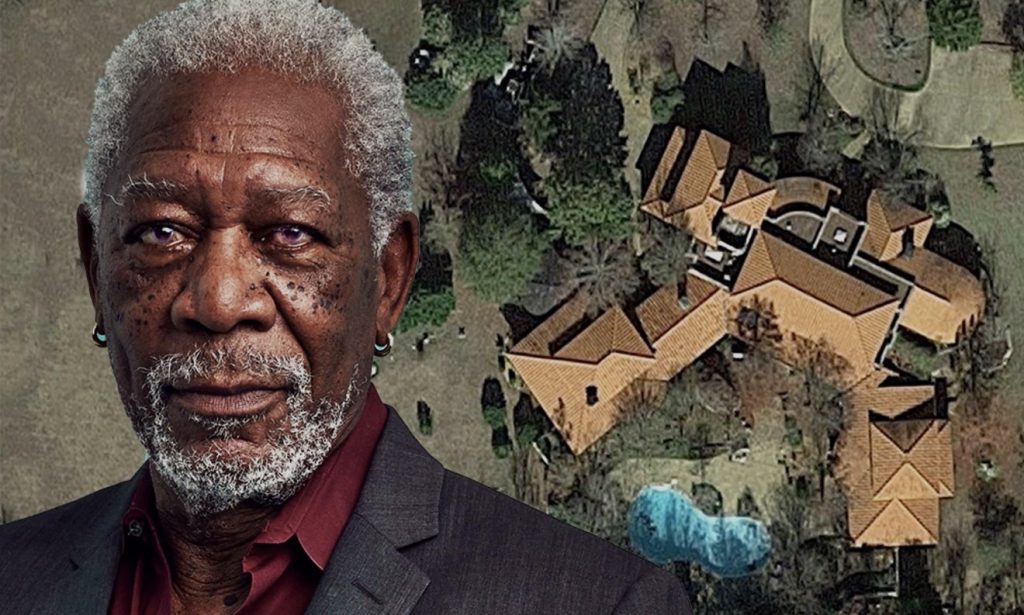
Morgan Freeman transformed his ranch into a dedicated bee sanctuary, focused entirely on pollinator health rather than production. Others, including Ellen DeGeneres and Beyoncé, have used their platforms to highlight the importance of bees in global food systems.
The message is clear: protecting bees is no longer optional — it is essential.
A Living Legacy: From Global Icons to Inishturk
From Aristotle’s first observations to modern global advocates, the story of the honeybee has always been shaped by those who recognise its deeper significance.
But this story does not belong to history alone — nor to famous names.
It is being written today, quietly and deliberately, on the edge of the Atlantic.
On Inishturk Island, the Native Irish Honey Bee Sanctuary represents the next chapter in this 2,000-year journey. Here, the focus shifts from fascination to protection — from harvesting to stewardship.
At its heart is the preservation of the native Apis mellifera mellifera — a subspecies uniquely adapted to Ireland’s climate, now under increasing pressure.
This is not about scale.
It is about legacy.
Grounded in science and guided by tradition, the sanctuary exists to restore balance — to create a space where bees can thrive as they once did, undisturbed and resilient.
In a world increasingly disconnected from nature, it stands as a reminder of something fundamental:
Protect the bee, and you protect everything that depends on it.
And in doing so, you don’t simply preserve the past —
you actively shape the future.