Inishturk Bee Sanctuary Uses Smart Hive Technology to Advance Native Irish Honey Bee Research

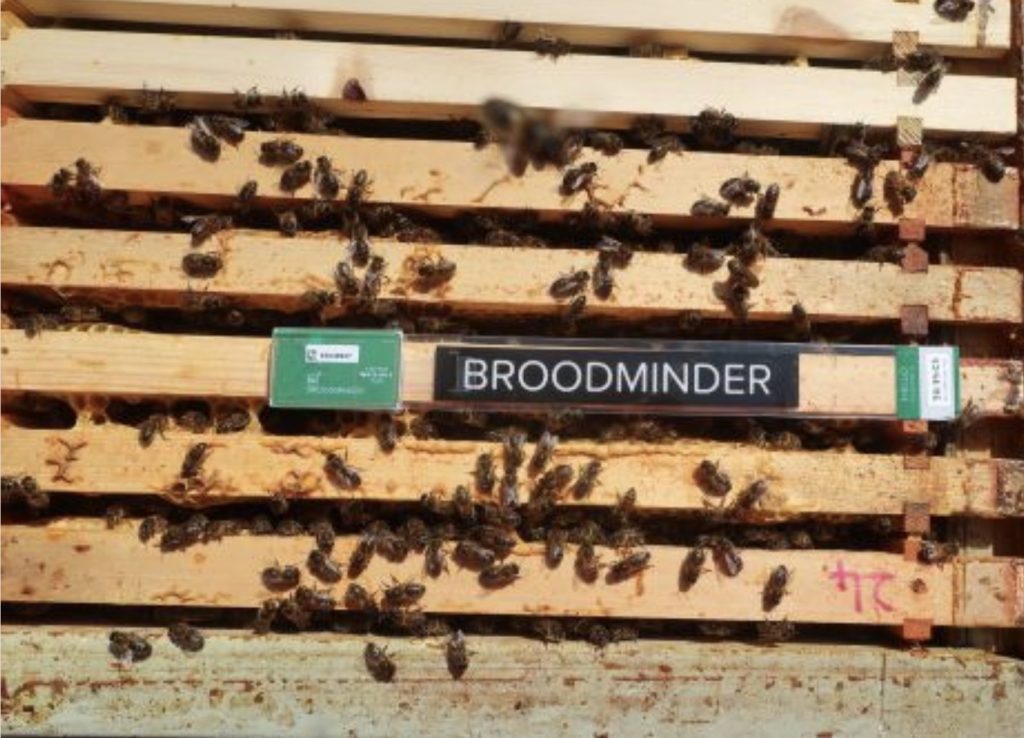
A New Smart Hive Initiative on Inishturk
A new smart hive monitoring initiative on Inishturk Island is helping researchers better understand and protect the Native Irish Honey Bee. The project combines traditional beekeeping with modern environmental sensor technology. It also supports low-intervention beekeeping and biodiversity education.
10,000 Bees Introduced to the Island
The project began after two nucleus colonies containing approximately 10,000 native Irish honey bees arrived on Inishturk earlier this season. The bees travelled by ferry from County Mayo to the island sanctuary apiary overlooking the Atlantic coastline. One colony received smart monitoring technology from day one.
Smart Hive Technology Installed
The monitored colony uses smart hive technology from BroodMinder. The system collects environmental and hive information throughout the season. It measures brood temperature, humidity, activity patterns, and colony trends over time.
Why Hive Data Matters
Healthy honey bee colonies keep their brood area at a stable temperature of around 34–35°C. Changes in temperature or humidity can indicate stress, swarming preparation, nectar flow, or queen issues. The data helps beekeepers understand what is happening inside the hive without opening it too often.
New Hive Weighing System Coming Soon
Next week, the sanctuary plans to install a BroodMinder hive weighing system beneath the monitored colony. Hive weight is one of the strongest indicators of colony health and performance. When bees collect nectar and produce honey, the hive gains weight. Strong weight gains often indicate good forage conditions and an active colony.
Comparing Island and Mainland Colonies
The Inishturk colony also has a sister nucleus colony in Killadoon, County Mayo. Both colonies come from the same native Irish genetic line sourced from Connemara. This allows comparisons between island and mainland conditions. Additional monitoring in Enniskerry, County Wicklow, also contributes to the project.
Reducing Disturbance to the Bees
One major benefit of smart hive technology is reduced disturbance to the colony. Opening a hive too often can disrupt brood temperature and humidity. With sensor technology, beekeepers can monitor many conditions remotely. This supports a more natural and lower-intervention approach to beekeeping.
Open Data for Education and Research
The project encourages public engagement and transparency. Students, scientists, beekeepers, and members of the public can follow the hive online through the BeeCounted Network. Updates and project information are also available through the Native Irish Honey Bee Sanctuary website.
Supporting the Fight Against Varroa
The sanctuary believes long-term monitoring may help improve understanding of bee health and environmental pressures. The varroa mite remains one of the biggest threats facing honey bees worldwide. Researchers hope that better knowledge and monitoring may help support future protection efforts.
A Message from Dr. Sean O’Connor
“The Inishturk project is about more than beekeeping — it’s about building knowledge. By combining traditional beekeeping with smart hive technology, we hope to better understand how the Native Irish Honey Bee responds to environmental pressures, isolation, and changing conditions. That knowledge may become an important part of the long-term fight against the varroa mite and the protection of Ireland’s indigenous honey bee.”
— Dr. Sean O’Connor, Founder, Native Irish Honey Bee Sanctuary
Follow the Project Online
The project can be followed through the BeeCounted Network at https://beecounted.org. More information and sanctuary updates are available at https://nativeirishbeesanctuary.com. Information about the monitoring technology is available from BroodMinder at https://broodminder.com.
Tradition Meets Technology
The Inishturk initiative combines traditional Irish beekeeping with modern environmental monitoring. The sanctuary hopes the project will support biodiversity awareness, education, and pollinator protection. From Inishturk to Mayo and Wicklow, the monitored colonies are helping build a better understanding of Ireland’s native honey bees.